

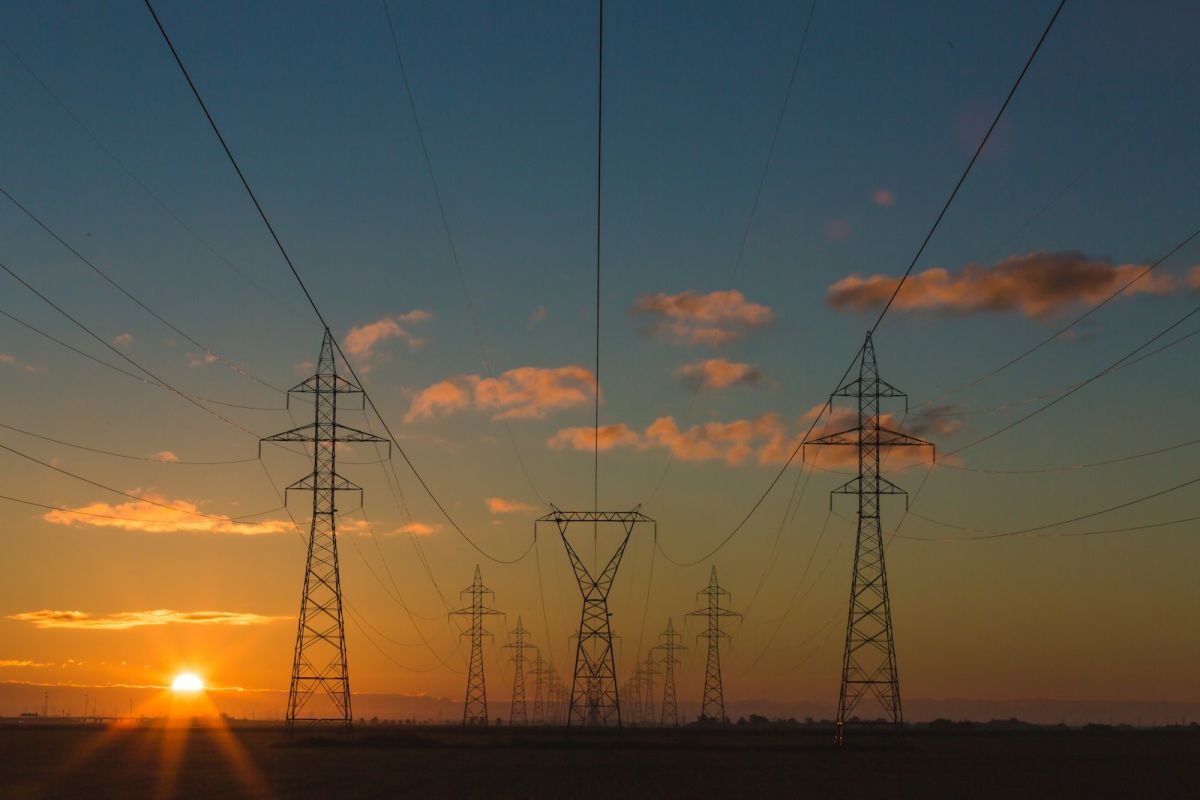
As the tech industry grapples with its environmental impact, sustainable software development has become a priority. In 2026, green coding practices are not just ethical—they're often more cost-effective too.
The Carbon Footprint of Software
Every line of code has an environmental cost:
- Data centers consume 1% of global electricity
- Training a large AI model can emit as much CO2 as five cars over their lifetime
- Inefficient code wastes energy at massive scale
Green Coding Practices
1. Efficient Algorithms
// Bad: O(n²) complexity
function findDuplicates(arr) {
  const duplicates = [];
  for (let i = 0; i < arr.length; i++) {
    for (let j = i + 1; j < arr.length; j++) {
      if (arr[i] === arr[j]) duplicates.push(arr[i]);
    }
  }
  return duplicates;
}

// Good: O(n) complexity - uses less energy
function findDuplicatesEfficient(arr) {
  const seen = new Set();
  const duplicates = new Set();
  for (const item of arr) {
    if (seen.has(item)) duplicates.add(item);
    seen.add(item);
  }
  return [...duplicates];
}
2. Green Hosting
Choose cloud providers committed to renewable energy:
- Google Cloud: Carbon neutral since 2007
- AWS: Committed to 100% renewable by 2025
- Azure: Carbon negative by 2030
Measuring Your Impact
Tools for measuring software carbon footprint:
- Green Software Foundation tools
- Cloud Carbon Footprint
- Codecarbon for ML projects


Comments (0)
Leave a Comment
No comments yet. Be the first to share your thoughts!