

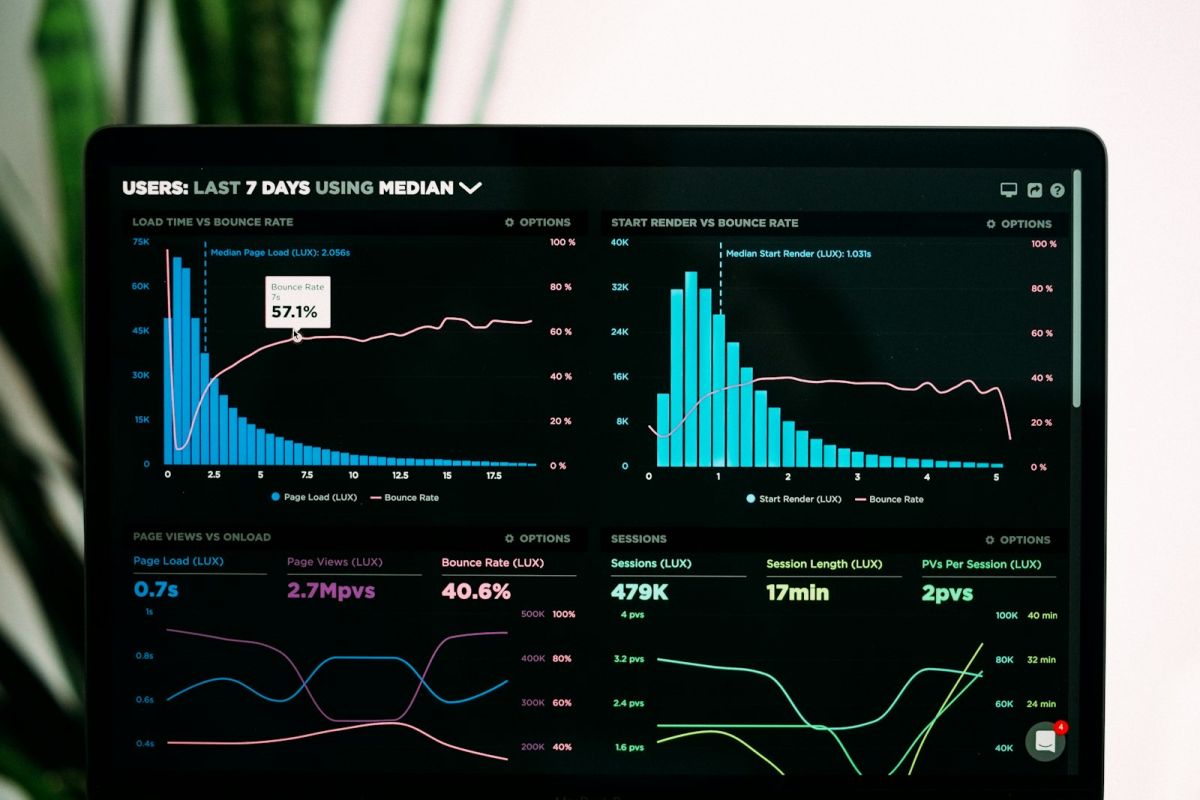
OpenTelemetry has become the industry standard for observability, providing vendor-neutral APIs for collecting traces, metrics, and logs. In 2026, it's essential knowledge for any backend developer.
The Three Pillars of Observability
- Traces: Follow requests across service boundaries
- Metrics: Quantitative measurements of system behavior
- Logs: Discrete events with context
Basic Instrumentation
import { trace, metrics } from "@opentelemetry/api"

const tracer = trace.getTracer("my-service")
const meter = metrics.getMeter("my-service")

const requestCounter = meter.createCounter("requests")

async function handleRequest(req) {
  return tracer.startActiveSpan("handle-request", async (span) => {
    requestCounter.add(1, { method: req.method })
    span.setAttribute("user.id", req.userId)

    const result = await processRequest(req)
    span.end()
    return result
  })
}
Auto-Instrumentation
OpenTelemetry provides automatic instrumentation for popular frameworks and libraries. With a few lines of setup, you get full observability without code changes.
Choosing a Backend
- Jaeger: Open-source distributed tracing
- Grafana Stack: Tempo for traces, Loki for logs, Prometheus for metrics
- Commercial: Datadog, New Relic, Honeycomb all support OTLP
Best Practices
- Use semantic conventions for consistent attribute names
- Sample traces in high-volume systems
- Correlate logs with trace IDs
- Set up alerts on trace latency percentiles


Comments (0)
Leave a Comment
No comments yet. Be the first to share your thoughts!